
Carpenter Ants or Termites? Why Knowing the Difference Matters

Updated: May 14

Spring is in the air! And pests are in the wood! Spring is a major activity period for pests such as carpenter ands and termites. Increased moisture from rain and humidity and warmer temperatures create ideal conditions for nest expansion and reproduction, expanding colonies and causing havoc. So, if you’re a homeowner on Vancouver Island, protecting your property from these wood-destroying insects is essential. While carpenter ants and termites may seem similar at first glance, they differ significantly in behavior, damage, and treatment methods.
This guide will walk you through the key differences between carpenter ants and termites, including their characteristics, environment, diet, lifecycle, treatment options, and prevention strategies—tailored specifically for homes on Vancouver Island.

What’s the Difference Between Carpenter Ants and Termites?
Understanding the difference is critical because misidentification can lead to ineffective treatment.
Carpenter Ants are larger, usually between 6-13mm. They are black, red, or mixed in coloring, with a narrow, pinched waist, with elbowed antennae.
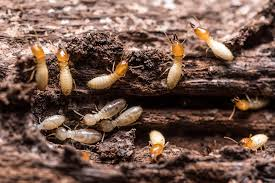
Termites, on the other hand, are smaller, usually between 4-7mm, and they are pale with creamy white bodies. Their antennae are straight, and their body shape is thicker and straighter than carpenter ants.
What Do Carpenter Ants and Termites Eat?
Surprisingly, carpenter ants do not eat wood. They excavate wood to create smooth tunnels (galleries) for nesting, which is what causes structural damage. Here is what they actually feed on:
Sugary substances (honeydew from aphids, nectar)
Household food (sweets, proteins, grease)
Dead insects
Termites do consume wood and cellulose as their primary food source. They rely on symbiotic microorganisms in their gut to break down cellulose, which allows them to digest wood efficiently. This is what they eat:
Structural wood (beams, studs)
Paper and cardboard
Drywall backing
Tree stumps and roots
Environment & Habitat on Vancouver Island
Carpenter ants thrive in Vancouver Island’s damp, forested environment. They prefer moist or decaying wood, and are commonly found in water-damaged areas such as windows, roofs, and decks, as well as tree stumps and logs hear homes. They often start outdoors and expand into homes through satellite colonies.
On Vancouver Island, we most commonly encounter dampwood termites. They prefer constant moisture, poorly ventilated crawl spaces, and wood that is in direct contact with soil. Unlike carpenter ants, termites typically live inside the wood they consume, making them harder to detect.
Lifecycle: Carpenter Ants vs. Termites
Carpenter ants go through complete metamorphosis:
Egg – Laid by the queen; takes several weeks to hatch
Larva – Fed by worker ants; grows rapidly
Pupa – Develops into adult form inside a cocoon
Adult – Workers, soldiers, and reproductive ants
Colonies start small but can grow to thousands of ants over several years. Mature colonies produce winged swarmers (alates) in spring/summer, and colonies often split into satellite nests, especially inside homes One important note to remember is that you may eliminate visible ants but still have a hidden parent colony!
Termites undergo incomplete metamorphosis:
Egg – Laid by the queen in large numbers
Nymph – Develop into different castes
Adult Castes:
Workers – Cause damage by feeding on wood
Soldiers – Protect the colony
Reproductives (swarmers) – Start new colonies
Colonies can grow very large and persistent, and swarming occurs in warmer months. Termites continuously expand as long as moisture and food are available. Something important to know is that termites are often active 24/7, causing damage silently over time.
Spotting an Infestation
This is all great background – but let’s get to the important stuff: How to spot signs of an infestation:

Carpenter Ant infestations will show piles of sawdust-like material. You’ll likely notice large ants inside your home, possibly a faint rustling sounds in walls, and smooth, hollowed-out wood
Termite Signs include mud tubes along foundations, hollow-sounding wood, discarded wings near windows, and bubbling or blistering paint
Treatment Options
Reputable pest management companies, such as Sentry Pest Control, will go through various steps to treat your carpenter ants. They will set out bait systems to eliminate colonies and use targeted insecticide applications. They will locate and remove nests, and a great pest control company will help you learn how to control moisture in your home for long-term success.
Termite Treatment is a bit different. It is important to note that termite treatment requires specialized expertise, inspection and monitoring due to hidden activity. Pest control technicians will conduct soil barrier treatments around your home and wood treatments for infested areas. Sentry Pest Control uses baiting systems for colony elimination as well.
Prevention Tips for Vancouver Island Homes
The most important prevention tip is all about moisture control: repair leaks immediately, improve drainage around your home, ventilate crawl spaces, and use dehumidifiers if needed. Sentry Pest Control will help you identify ways you can control moisture in your home.
To prevent carpenter ants, remove dead wood and stumps, trim trees away from your home, and store firewood away from your home. Additionally, seal cracks and entry points. It is important to have a pest control expert, such as Sentry Pest Control, do a full inspection to help identify these issues and suggest solutions.
Preventing termites is similar – avoid wood-to-soil contact, use treated lumber outdoors, and keep gutters clean. Scheduling annual inspections will help identify potential issues that could cause termite damage if left untreated.
Protecting Your Home
Both carpenter ants and termites can cause serious structural damage, but they require different treatment strategies. On Vancouver Island, carpenter ants are more common—but termites are just as important to watch for.
The key is early detection and proper identification. If you’re noticing signs of wood damage or insect activity, it’s best to schedule a professional pest inspection. A trained technician can identify the pest, locate the source, and implement an effective treatment plan.
Need Help with Carpenter Ants or Termites?
If you’re dealing with carpenter ants or termites on Vancouver Island, Sentry Pest Control can help protect your home and prevent costly repairs. Contact us for an inspection and customized treatment plan.


Comments