
Feeling the Burn? Fire Ants Are Spreading on Vancouver Island


When most people hear the term “fire ant,” they imagine aggressive tropical ants found in the southern United States. But here on Vancouver Island, a different invasive species has been quietly spreading: the European fire ant (Myrmica rubra). These ants may be small, but they can create surprisingly big problems for homeowners, gardeners, pet owners, and outdoor spaces.
European fire ants have been confirmed in several communities across British Columbia, including areas of Vancouver Island such as Victoria and Courtenay. While they are not yet everywhere on the Island, their spread has become a growing concern for municipalities, environmental groups, and pest control professionals alike.
What Do Fire Ants Look Like?
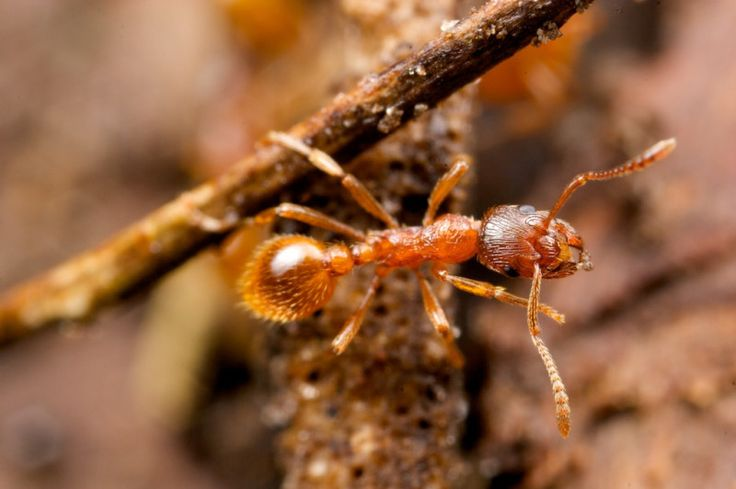
European fire ants are tiny, measuring roughly 4–5 mm in length. They are usually reddish-brown in colour, sometimes with a slightly darker head. Unlike carpenter ants, they are much smaller and harder to spot individually. However, what they lack in size, they make up for in numbers and aggression.

One of the key identifying features is their behaviour. When disturbed, fire ants swarm quickly and sting repeatedly rather than scattering like many native ant species. Their sting produces a painful burning sensation — which is how they earned their name.
Where Are Fire Ants Found on Vancouver Island?
Fire ants thrive in moist, sheltered environments. On Vancouver Island, they are commonly found in:
Lawns and grassy areas
Garden beds and raised planters
Under rocks, logs, and paving stones
Wood piles and landscape debris
Around patios, sidewalks, and foundations
Moist soil near irrigation systems
Unlike some ant species, European fire ants do not always create obvious mounds. Their nests are often hidden underground or beneath objects around the yard, making infestations difficult to detect until someone accidentally disturbs them.
These ants spread easily through landscaping materials such as soil, mulch, potted plants, and compost. In many cases, infestations are unknowingly transported from one property to another during gardening or landscaping projects.
What Do Fire Ants Eat?
European fire ants are opportunistic feeders. They consume a wide variety of foods, including:
Other insects and small invertebrates
Sweet foods and sugary substances
Proteins and fats
Seeds and plant material
Pet food left outdoors
Their flexible diet helps them adapt to residential neighbourhoods, parks, and gardens. Outdoor eating areas, fruit trees, compost bins, and unsecured garbage can all attract foraging ants.
Because they prey on native insects, fire ants can also disrupt local ecosystems. Researchers and invasive species organizations have raised concerns about their impact on biodiversity and beneficial insect populations.
Why Are Fire Ants a Problem?
The biggest issue with European fire ants is their aggressive stinging behaviour. When their nest is disturbed — even accidentally while gardening or mowing the lawn — they swarm rapidly and sting repeatedly.
For many people, the sting causes:
Sharp burning pain
Red welts or itchy bumps
Swelling and irritation
Persistent discomfort lasting several days
In rare cases, allergic reactions can occur and may require medical attention.
Pets are also vulnerable. Dogs and cats exploring gardens or lawns may accidentally disturb a nest and receive multiple stings around their paws, nose, or mouth.
Other Problems Caused by Fire Ants
Risks to Your Property: Fire ants may not damage wood like carpenter ants, but they can still create major issues around residential properties.
Reduced Enjoyment of Outdoor Spaces: Infested lawns and gardens can become difficult to use comfortably. Homeowners may avoid gardening, children may avoid playing outside, and outdoor gatherings can quickly become unpleasant if fire ants are present.
Landscaping Challenges: Because fire ants nest beneath soil, stones, and landscaping features, they can become widespread throughout a yard before they are discovered. Moving soil or garden materials without proper treatment can accidentally spread colonies to new areas of the property.
Rapid Colony Expansion: European fire ants are especially difficult to control because colonies can contain multiple queens. This allows populations to spread quickly and establish interconnected nests throughout a property.
Potential Impact on Property Value: Some municipalities and invasive species experts have warned that severe infestations could negatively affect property desirability and outdoor usability if left unmanaged.
Why DIY Treatments Often Fail
Many homeowners try over-the-counter sprays or surface insecticides, only to find the ants return shortly afterward. That’s because fire ant colonies are often hidden deep below the surface, and killing visible workers rarely eliminates the queens.
Disturbing the colony without proper treatment can actually make the infestation spread further as colonies relocate or split into satellite nests.
Professional pest control treatments are typically more effective because they target the colony structure itself rather than only the ants visible on the surface.
How to Reduce the Risk of Fire Ants

While no prevention method is perfect, homeowners can reduce the chances of attracting or spreading fire ants by:
Keeping lawns and gardens well maintained
Reducing excess moisture in landscaping
Removing yard debris and wood piles
Inspecting new soil, mulch, or plants before use
Cleaning up outdoor food sources promptly
Monitoring for unusual ant activity in warm months
Early detection is extremely important. Smaller infestations are generally easier to manage than colonies that have spread across an entire property.
Professional Fire Ant Control on Vancouver Island
Because fire ants are an invasive species that can spread rapidly, professional identification and treatment are often the best course of action. A trained pest control technician can identify the species correctly, locate nesting areas, and develop a treatment plan tailored to your property.
At Sentry Pest Control, we help Vancouver Island property owners deal with invasive ants safely and effectively. Whether you’ve noticed aggressive ants in your lawn, painful stings while gardening, or unexplained swarming activity around your property, our team can help identify the problem and recommend the right solution.
If you suspect fire ants on your property, addressing the issue early can help prevent larger infestations and protect your outdoor spaces for the future.


Comments