
Before They Weave Their Webs: Getting Ahead of Spider Season

Updated: Sep 3

As August winds down and September rolls in on Vancouver Island, the days are getting a little shorter, evenings are getting cooler, and you may have started noticing a few more eight-legged visitors around your property.
A web across the porch. A spider tucked beside a window frame. Or perhaps a particularly impressive specimen making an unexpected appearance in the bathtub.
Late summer and early fall are prime times for spider sightings on Vancouver Island. While spiders are present throughout the year, many species are larger and more noticeable by late summer. Increased web-building and seasonal behaviours can also make it seem like spiders have suddenly appeared everywhere.
The good news? Late summer is a great time to prepare your home or business for spider season. A few preventative measures now can make your property less inviting to spiders—and the insects they feed on—as we head toward fall.
Why Do We See More Spiders in Late Summer?
Spiders don't suddenly arrive when September rolls around. Many have been living quietly around our homes, gardens, and businesses throughout the spring and summer.
By late summer, however, spiders that hatched or began developing earlier in the year may have grown considerably. Larger spiders are naturally easier to spot, and mature spiders may become more active as they search for mates.
This is also the time of year when orb-weaving spiders and their large webs can become particularly conspicuous. You might suddenly find impressive webs stretched between shrubs, across railings, beside exterior lights, or—inevitably—directly across the path you take to your car in the morning.
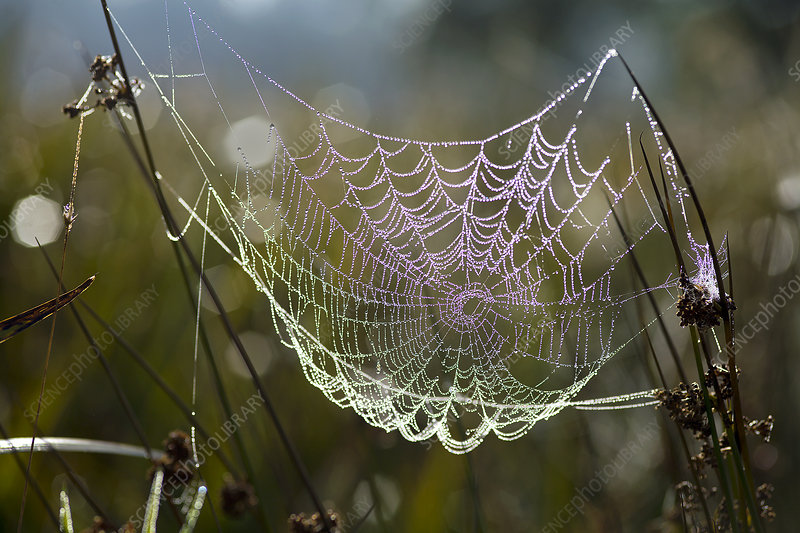
As temperatures eventually cool, people may also become more aware of spiders around sheltered areas of buildings.
So if it seems like your Vancouver Island property has become considerably more spider-friendly lately, you aren't necessarily imagining things.
Why Are There So Many Spiders Around My House?
Spiders are predators. They go where they find food. Flies, mosquitoes, moths and many other small insects can all become food, depending on the spider species. That means a property with an abundant insect population can provide an excellent hunting ground.
Outdoor lighting is one common example. Lights around entrances, patios, garages, and commercial buildings can attract flying insects after dark. For a web-building spider, setting up nearby can be like opening a restaurant beside a busy highway.
Dense vegetation, standing water, garbage areas, organic debris, and other conditions around a property can also support insect activity. Addressing these underlying conditions may help make an area less attractive to spiders as well. Sentry Pest Control can help manage these primary pest issues with you.
How to Prepare Your Property for Spider Season
If you'd rather not share your home with eight-legged roommates this fall, late summer is an ideal time for some preventative maintenance.
1. Seal Gaps and Cracks
Spiders don't need an open front door to get inside.
Inspect the exterior of your home or business for cracks and gaps around windows, doors, siding, foundations, vents, and places where pipes, cables, or utilities enter the building.
Sealing these openings can help reduce opportunities for spiders—and many other pests—to get indoors.
2. Check Doors, Screens, and Weather Stripping
Take a closer look at window screens for holes or damage and make sure exterior doors close properly. Worn weather stripping or a visible gap beneath a door can create an easy access point for crawling insects. Garage doors deserve attention too. Check the bottom seal and edges, particularly if you're frequently finding spiders or other pests in the garage.
3. Remove Webs Regularly
Don't wait until your porch looks like it's been decorated for Halloween. Regularly removing accessible spider webs from eaves, window frames, doorways, railings, decks, and other exterior surfaces discourages spiders from remaining in high-traffic areas.

Removing webs also gives you an opportunity to see where spider activity is concentrated. If the same locations are quickly occupied again and again, there may be a reason those areas are particularly attractive.
4. Reconsider Your Outdoor Lighting
Exterior lighting can indirectly contribute to spider activity because lights often attract the flying insects spiders eat.
Where practical, consider whether lights need to remain on throughout the night. You can also look at whether lighting placement is drawing insects directly toward entrances, windows, or outdoor seating areas.
For businesses, lighting is obviously important for security and customer safety. The goal isn't necessarily to turn everything off, but to recognize that insect activity and spider activity are often connected.
5. Trim Vegetation Away From the Building
Trees, shrubs, vines, and dense vegetation touching a building can provide shelter for insects and spiders while creating convenient pathways toward the structure. Keep vegetation reasonably trimmed back from siding, windows, rooflines, and entrances. Clearing excess leaves and organic debris from immediately around the foundation can also reduce potential pest habitat.
6. Cut Down on Clutter
Spiders appreciate places where they can remain undisturbed. Garages, sheds, storage rooms, crawl spaces, and basements can offer plenty of hiding spots, particularly when they're packed with cardboard boxes and rarely moved belongings.
Reducing clutter, vacuuming periodically, and storing items in sealed containers where practical can eliminate some of those protected spaces.
Are Vancouver Island Spiders Dangerous?
Spiders play an important ecological role. As predators, they help control populations of flies, mosquitoes and numerous other insects. While the appearance of a large spider can certainly be startling, but most spiders encountered around Vancouver Island homes are not a danger to people. Some spiders to be extra cautious about are:
Western black widow: Venomous and medically significant. Females are typically shiny black with a reddish/orange hourglass marking underneath the abdomen. Bites are uncommon, but can cause significant pain, muscle cramping, sweating, nausea, and other symptoms. They tend to prefer sheltered, undisturbed places such as woodpiles, sheds, garages, crawl spaces, and outdoor clutter.
Yellow sac spiders: These can bite defensively and may cause localized pain, redness, and swelling, but they are not generally considered dangerous to healthy people.
Brown recluse spiders: These can be harmful because their venom can cause a painful reaction at the bite site. In some cases, a bite may lead to blistering and tissue damage (necrosis) around the affected area, while more serious systemic reactions are rare.

Giant house spiders are very common in coastal British Columbia and intimidating because of their size and speed, but not dangerous to people. Bites are uncommon and generally minor.
That doesn't mean you have to be thrilled about finding one beside your bed. For most property owners, spider control isn't about eliminating every spider outdoors. That's neither practical nor necessary. Instead, the goal is usually to reduce excessive activity around the building, discourage spiders from entering indoor spaces, and address conditions attracting their prey.
What About Spiders Inside the House?
An occasional spider indoors isn't necessarily evidence of an infestation. Spiders can wander through open doors or find their way through small gaps around a building. Others may have been living quietly in an indoor area for some time before you noticed them.
Frequent sightings, however, deserve a closer look. If you're repeatedly finding spiders in the same rooms or seeing significant activity throughout a building, there may be favourable hiding places or an ample supply of insects for them to eat.
This is particularly important for businesses. Spider webs around entrances, windows, signage, patios, or customer-facing areas can make a property appear poorly maintained even when the spiders themselves pose little risk.
When Should You Call a Pest Control Professional?
A few spiders around the garden are a normal part of life on Vancouver Island. But if spiders and webs are becoming a persistent problem around your home or business, or you are finding spiders inside your house or building, professional pest control can help determine why they're there in the first place.
A pest management professional, like Sentry Pest Control, can identify areas of activity, locate potential entry points, assess conditions that may be attracting insects and spiders, and recommend appropriate preventative or control measures.
The best time to think about spider prevention isn't after you've spent September walking face-first through webs. Late summer gives Vancouver Island property owners an opportunity to get ahead of the seasonal increase in spider sightings.
At Sentry Pest Control, we help Vancouver Island homeowners and businesses manage spiders and the other pests that make properties attractive to them.
If spider season is already making itself known around your property, contact Sentry Pest Control to learn more about professional spider control on Vancouver Island.


Comments