
Pest-Proofing 101: The Ultimate Summer Pest Prevention Guide for Vancouver Island Homes


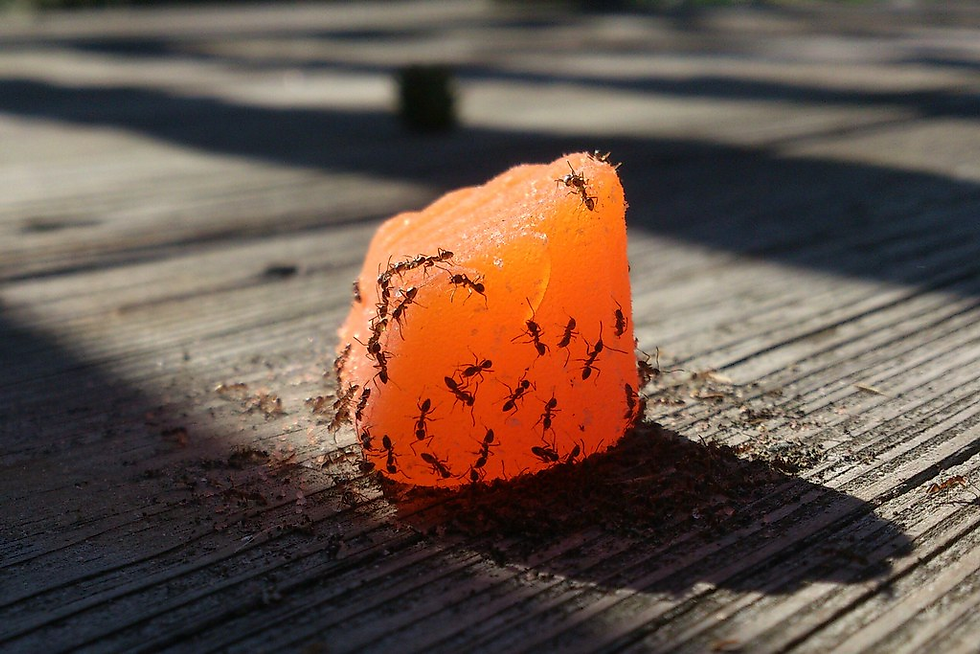
As temperatures rise across Vancouver Island, so does pest activity. Summer is the season when ants march into kitchens, wasps establish colonies, rodents search for food and shelter, and bed bugs become more common as travel increases. The good news? A little prevention can go a long way toward keeping your home pest-free throughout the warmer months.
At Sentry Pest Control, we believe the best pest control strategy starts with prevention. Here are some practical summer pest-proofing tips to help protect your property and avoid unwanted infestations.
1. Watch for Ant Activity Before It Becomes an Infestation
Vancouver Island is home to several ant species that commonly invade homes and businesses during the summer.
Carpenter Ants
Carpenter ants are among the largest ants found on Vancouver Island. Unlike termites, they don't eat wood, but they excavate it to create nesting galleries. Over time, this can cause structural damage to homes.
Signs of carpenter ants include:
Large black ants inside your home
Sawdust-like material near walls or window frames
Rustling sounds inside walls
Odorous House Ants
These small brown ants are notorious kitchen invaders. When crushed, they emit a distinct odor often compared to rotten coconut.
Pavement Ants
Common around driveways, sidewalks, and foundations, pavement ants often enter homes searching for food and moisture.
Fire Ants
European fire ants are an invasive species that have become an increasing concern in parts of Vancouver Island. Unlike many other ants, these small reddish-brown ants can deliver painful stings when their nests are disturbed, making them a nuisance for homeowners, gardeners, children, and pets. They commonly establish colonies in lawns, garden beds, under rocks, and around landscaping features.

How to Prevent Ant Problems
Store food in sealed containers.
Clean up spills and crumbs immediately.
Trim vegetation away from your home's exterior.
Seal cracks around doors, windows, and foundations.
Address moisture issues around sinks, crawlspaces, and basements.
If you notice a steady trail of ants indoors, it's often a sign that a colony has already established a route to your home.
2. Don't Ignore Wasp Activity
One of the most common summer pest concerns on Vancouver Island is yellowjackets. Unlike bees, yellowjackets can become aggressive when their nests are disturbed and may sting multiple times.
Types of Nests to Look For

Ground Nests
Ground nests are the most common type of wasp nest encountered on Vancouver Island. Typically built by yellowjackets, these nests are often hidden underground in abandoned rodent burrows, landscaping cavities, or natural openings in the soil. Homeowners may only notice a small hole in the lawn with wasps flying in and out, unaware that a large colony exists beneath the surface. By late summer, a single ground nest can contain thousands of wasps, making accidental disturbances while mowing, gardening, or playing outdoors potentially dangerous.
Wall Void Nests
Some yellowjacket species prefer to build their nests inside structures, taking advantage of protected spaces such as wall cavities, attics, crawlspaces, soffits, and areas behind siding. These hidden nests can be difficult to detect because the colony remains out of sight. Often, the first sign of a problem is increased wasp activity around vents, cracks, or entry points on the exterior of the building. Because they are sheltered from weather and predators, wall void nests can grow quite large throughout the summer and may require professional treatment to safely eliminate the colony.
Aerial Nests
Aerial nests are large, enclosed paper nests commonly built by bald-faced hornets, a type of yellowjacket found throughout Vancouver Island. These distinctive football-shaped nests are typically suspended from trees, shrubs, roof overhangs, utility poles, and other elevated structures. Constructed from chewed wood fibers mixed with saliva, the nests have a gray, paper-like appearance. Colonies expand rapidly during the summer months and can become highly defensive if the nest is disturbed, making aerial nests a significant concern when located near homes, patios, or walkways.
Paper Wasp Nests
Paper wasps build smaller, open-comb nests that are often found under eaves, porch ceilings, decks, sheds, and other sheltered locations around a property. Unlike aerial hornet nests, paper wasp nests have exposed hexagonal cells and resemble an upside-down umbrella. While paper wasps are generally less aggressive than yellowjackets, they will defend their nest if threatened. Their colonies are usually much smaller, but nests located near entryways, outdoor living spaces, or high-traffic areas can still pose a risk to homeowners and visitors.
How to Reduce the Risk of Wasps
Keep garbage bins tightly sealed.
Clean outdoor eating areas after meals.
Avoid leaving pet food outdoors.
Inspect your property regularly for increased wasp activity.
Be cautious around holes in the ground where wasps may be entering and exiting.
Never attempt to treat a large wasp nest yourself. Disturbing an active colony can lead to aggressive defensive behavior and multiple stings.
3. Keep Rats and Mice Outside Where They Belong
While rodents are often associated with colder weather, summer is an important time for prevention. Rats and mice remain active year-round and use the warmer months to establish nesting sites and locate reliable food sources.

On Vancouver Island, roof rats are particularly common. They are excellent climbers and frequently access homes via trees, fences, utility lines, and overhanging branches.
Rodent-Proofing Tips
Trim tree branches at least six feet away from your roof.
Seal openings larger than a quarter inch around your home.
Store bird seed, pet food, and animal feed in sealed containers.
Remove clutter and debris from around the property.
Inspect sheds, garages, and crawlspaces regularly.
A single pair of rodents can multiply quickly, making early prevention critical.
4. Be Aware of Bed Bugs During Travel Season
Summer vacations and increased travel often lead to a rise in bed bug activity. Contrary to popular belief, bed bugs are not a cleanliness issue. They are expert hitchhikers that can be picked up from hotels, vacation rentals, public transportation, and even luggage storage areas.

Bed Bug Prevention Tips
When travelling:
Inspect mattress seams and headboards before unpacking.
Keep luggage off beds and carpets.
Store suitcases on luggage racks whenever possible.
When returning home:
Inspect luggage carefully.
Wash clothing in hot water when appropriate.
Dry clothing on high heat for at least 30 minutes.
Vacuum suitcases before storing them.
Common signs of bed bugs include small blood spots on bedding, dark fecal stains, shed skins, and itchy bites that often appear in clusters or lines.
5. Eliminate Moisture Around Your Home
Many pests are attracted to moisture. Ants, rodents, and various insects seek out damp areas where water is readily available.
Take time each summer to:
Repair leaking faucets and pipes.
Clean gutters and downspouts.
Ensure proper drainage away from your foundation.
Use dehumidifiers in damp basements and crawlspaces.
Fix damaged weather stripping and seals.
Reducing moisture can make your property significantly less attractive to pests.
6. Schedule Professional Inspections
Many pest issues begin long before homeowners notice visible signs. Professional inspections can identify potential vulnerabilities, nesting sites, and early infestations before they become costly problems.
At Sentry Pest Control, we develop customized treatment and prevention plans tailored to the unique pest pressures found across Vancouver Island. Whether you're dealing with ants, wasps, rodents, bed bugs, or other nuisance pests, our team can help you protect your home with effective, long-term solutions.
Protect Your Home This Summer
Summer should be spent enjoying Vancouver Island—not dealing with pests. By staying proactive, sealing entry points, eliminating food and water sources, and addressing pest activity early, homeowners can significantly reduce the risk of infestations.
If you've noticed signs of ants, rodents, wasps, bed bugs, or other pests around your property, contact Sentry Pest Control today. Our experienced team provides professional inspections, targeted treatments, and ongoing pest management solutions designed to keep your home protected year-round.


Nice https://www.pesticon.ca/