
Feeling Antsy? Your Guide to Vancouver Island's Most Common Ant Invaders


Ants may be small, but when they invade your home or business, they can quickly become a major nuisance. Across Vancouver Island, several ant species are commonly found searching for food, building colonies, and finding their way indoors.
The most common ant species encountered on Vancouver Island include sugar ants, pavement ants, pharaoh ants, carpenter ants, and the increasingly widespread European fire ant. Each species behaves differently, which means proper identification is essential for effective ant control.
Knowing which type of ant you're dealing with is the first step toward effective ant control. Some species are mostly a nuisance, while others—like carpenter ants—can cause costly damage to your property. In this guide, we'll cover the four most common ant species found on Vancouver Island, how to identify them, and what you can do to prevent and eliminate ant infestations.
1. Sugar Ants (Odorous House Ants)
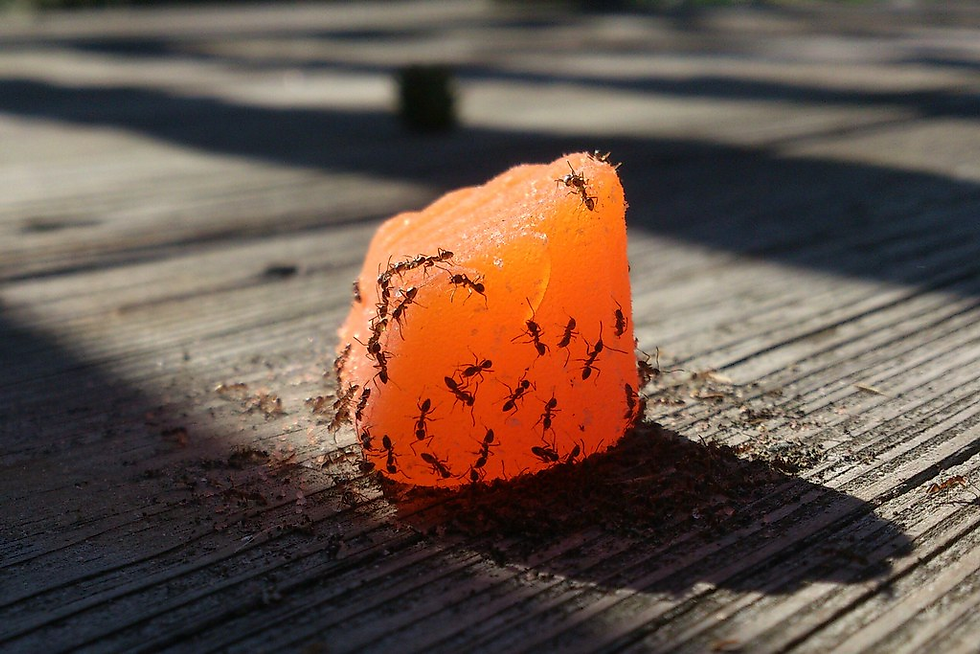
Sugar ants are among the most common ants found in homes throughout Vancouver Island. These tiny ants, usually measuring just 2–3 mm long, are black or dark brown and often travel in long, organized trails across countertops, floors, and windowsills.
They are commonly called "odorous ants" because they release an unpleasant smell when crushed.
Signs of a Sugar Ant Infestation
Small black or brown ants travelling in visible trails
Activity around kitchens, pantries, and food storage areas
Ants appearing near sinks, windows, or baseboards
Where Do Sugar Ants Nest?
Sugar ants often establish multiple satellite colonies, making them particularly difficult to eliminate. Indoors, they nest behind walls, under floors, and inside structural voids. Outdoors, they can be found beneath rocks, under tree bark, and in soil around your property.
Because they are attracted to sweet foods and crumbs, kitchens are one of their favourite places to forage.
2. Pavement Ants
Pavement ants are another common ant species found throughout Vancouver Island. Similar in size to sugar ants, these insects measure approximately 2–3 mm and are usually brown or black. As their name suggests, pavement ants prefer nesting beneath sidewalks, driveways, patios, and concrete slabs.

Signs of Pavement Ants
Small ant trails near foundations or sidewalks
Tiny piles of displaced soil near cracks in pavement
Increased activity around garages, patios, and walkways
Do Pavement Ants Enter Homes?
While pavement ants typically nest outdoors, they can enter homes through small cracks and gaps in foundations while searching for food or shelter.
During spring, you may notice swarms of flying ants around your property. These are reproductive pavement ants participating in their mating season.
3. Pharaoh Ants

Pharaoh ants are small, light yellow to brown ants measuring between 2–4 mm in length. Although they originated in tropical climates, they have adapted well to indoor environments throughout Canada.
Unlike other ant species, pharaoh ants rarely survive outdoors during Vancouver Island winters and instead thrive inside heated buildings.
Why Are Pharaoh Ants Difficult to Control?
Pharaoh ants are notorious for nesting in unusual locations, including:
Inside walls
Behind appliances
Inside electrical outlets
Within stacks of paper or linens
Around stored materials and clutter
Because their colonies can split into multiple groups when disturbed, DIY treatments often make infestations worse. Professional ant baiting programs are typically the most effective solution for eliminating pharaoh ant colonies.
4. Carpenter Ants
Carpenter ants are one of the most concerning ant species found on Vancouver Island. Unlike sugar ants or pavement ants, carpenter ants can cause structural damage to homes and buildings.
The two most common carpenter ant species on Vancouver Island are:
Camponotus modoc (black carpenter ants)
Camponotus vicinus (red and black carpenter ants)
How to Identify Carpenter Ants
Carpenter ants are significantly larger than other common ants, ranging from 6 mm to 25 mm in length.
Key identifying features include:
Narrow, pinched waists
Bent antennae
Black or black-and-red colouring
Large size compared to other ants
They are frequently mistaken for termites, but carpenter ants have a much narrower waist and elbowed antennae.
Why Are Carpenter Ants a Problem?

In nature, carpenter ants help break down dead and decaying trees. Unfortunately, they are also attracted to damp, damaged, or rotting wood around homes.
While they don't actually eat wood, they excavate it to create nesting galleries, which can weaken structural components over time. If you see large winged ants inside your home, it may indicate that a carpenter ant colony has been established for quite some time.
5. European Fire Ants
European fire ants are an invasive species that has become increasingly common on Vancouver Island and throughout coastal British Columbia. Unlike many other ant species that are simply a nuisance indoors, European fire ants can create significant problems outdoors and pose a health concern for people and pets.

These reddish-brown ants are relatively small, measuring between 3 mm and 5 mm in length, but they are known for their aggressive behaviour and painful stings.
How to Identify European Fire Ants
European fire ants can be difficult to identify because they resemble several other common ant species. However, they are typically:
Reddish-brown in colour
Small to medium-sized (3–5 mm)
Extremely aggressive when their nest is disturbed
Commonly found in large outdoor colonies
Where Do European Fire Ants Nest?
European fire ants thrive in moist environments and often establish nests in:
Lawns and gardens
Under rocks and landscape materials
Retaining walls
Wood piles
Around tree roots
Compost and mulch beds
Unlike carpenter ants, they do not damage wood structures, but they can quickly take over outdoor spaces and make yards difficult to enjoy.
Why Are European Fire Ants a Problem?
European fire ants are best known for their painful stings. When disturbed, they attack aggressively and can sting multiple times. Their stings often cause burning pain, redness, swelling, and itching that may last for several days.
These ants can make gardening, landscaping, and outdoor recreation unpleasant, especially for children and pets who may accidentally disturb a nest.
Can European Fire Ants Invade Homes?
While European fire ants primarily nest outdoors, they may occasionally enter homes while searching for food or water. Most infestations, however, originate in yards and landscaped areas rather than inside buildings.
How Are European Fire Ants Controlled?
European fire ant colonies can contain multiple queens and interconnected nests, making them particularly difficult to eliminate using over-the-counter products. Professional treatment programs often involve specialized baiting strategies designed to target the entire colony and reduce future spread.
If you suspect European fire ants on your property, early intervention is important to prevent colonies from expanding throughout your yard and neighbouring properties.
Why Do Ants Invade Homes?
Most ant infestations begin for one simple reason: food.
Ants have an incredibly strong sense of smell and can detect even tiny food particles from surprising distances. Once a food source is discovered, worker ants leave behind pheromone trails that guide the rest of the colony directly to it.
Moisture, shelter, and easy access points can also attract ants indoors.
How to Prevent Ant Infestations
Store Food Properly: Keep food in sealed, airtight containers and promptly clean up crumbs and spills. This helps eliminate the scents that attract ants into your home.
Don't Forget Pet Food: Pet food is a major attractant for ants. Store pet food in sealed containers and avoid leaving food bowls out longer than necessary.
Address Moisture Problems: Many ant species are attracted to damp environments. Repair leaking pipes, dripping faucets, and areas of excess moisture around your home.
Maintain Your Yard: Trim shrubs and tree branches away from your home's exterior and remove wood piles, leaf debris, and other potential nesting sites from around your property.
Reducing outdoor ant activity can help prevent colonies from eventually moving indoors.
How to Get Rid of Ants
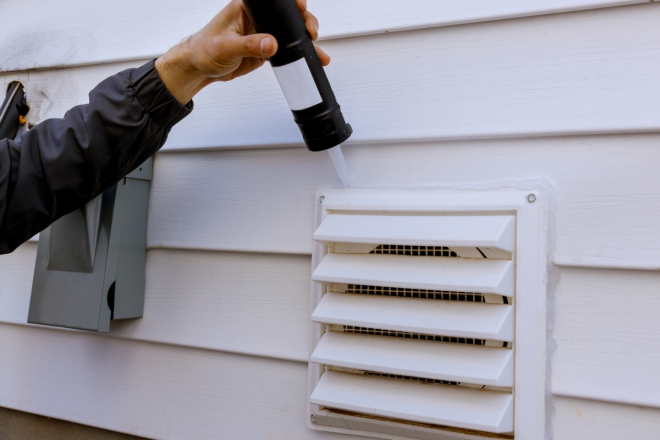
Find and Seal Entry Points: Inspect windows, doors, foundations, and utility penetrations for cracks or gaps where ants may be entering.
Professional exclusion services can help identify and seal vulnerable areas to reduce future infestations.
Keep Indoor Areas Clean: Regular cleaning removes food sources that attract ants. Pay particular attention to kitchens, dining areas, and garbage storage locations.
Use Professional Ant Baiting Systems: Many ant species respond best to strategically placed bait systems. When worker ants carry bait back to the colony, it can eliminate the entire nest rather than just the ants you see. Improper bait placement or the wrong product can cause colonies to split and spread, making professional treatment, like the services with Sentry Pest Control, the safest and most effective approach.
Call a Pest Control Professional: When ant infestations become persistent or widespread, professional pest control services can identify the species, locate nesting sites, and implement targeted treatment plans.
At Sentry Pest Control, we help homeowners and businesses across Vancouver Island eliminate ant infestations while providing long-term prevention strategies to keep them from coming back.
Need Help with Ant Control on Vancouver Island?
Whether you're dealing with sugar ants in the kitchen, pavement ants around your foundation, or a carpenter ant infestation that threatens your home, professional treatment can save time, frustration, and costly repairs.
Contact Sentry Pest Control today for expert ant identification, ant removal, and year-round pest management services throughout Vancouver Island.


Comments